Passionate Font: Elevating Small Business Branding
I still remember the exact moment I realized my candle business had a typography problem. I was standing at a local craft market, watching potential customers pick up my soy candles, read the label for a split second, and then put them back down. The product was high-quality, the scent was divine, and the wax was perfectly poured, but something felt off. Looking at my table next to a competitor’s beautifully curated display, it hit me: my labels looked homemade in the wrong way. They lacked the warmth and intentionality that my brand promised. That afternoon, I began searching for a solution that would bridge the gap between my artisan process and my visual presentation, which led me directly to Passionate.
Finding the Right Voice Through Typography
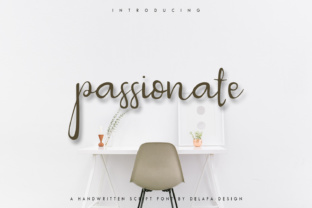
As entrepreneurs, we often pour our souls into our products, but translating that feeling into a digital asset is surprisingly difficult. I wasn't looking for a stiff corporate typeface or an overly ornate calligraphy that felt inaccessible. I needed a handwritten script font that felt like a personal note from a friend yet maintained enough structure to be legible on a small jar label. Passionate fit this niche perfectly. It is a stylish, fashionable handwritten script that carries a distinct mood of warmth and authenticity. Unlike generic free fonts that can sometimes look jagged or inconsistent, this premium font offers a fluidity that mimics natural handwriting while retaining the polish required for professional packaging design.
The personality of this typeface is exactly what my brand identity was missing. It strikes a balance between elegance and approachability. When I first tested it on my "Lavender & Sage" label mockup, the difference was immediate. The letters connected with a rhythm that felt organic rather than mechanical. It transformed a simple product name into a visual experience that hinted at the care put into every batch. For small business owners, especially those in the handmade, beauty, or boutique spaces, this level of detail matters. Customers are buying a story as much as they are buying a product, and your choice of display font is often the narrator.
Practical Applications Across Business Touchpoints
Once I integrated Passionate into my design workflow, I found its versatility extended far beyond just product labels. Consistency is the cornerstone of trust, and having a reliable creative font allowed me to unify my entire customer journey. Here is how I utilized this script amp category font across different areas of my business:
- Packaging and Labels: This remains the primary use case. The font’s weight is substantial enough to remain readable on matte paper textures and glossy jars alike. It works beautifully for product titles without overwhelming the necessary regulatory text.
- Social Media Graphics: On Instagram and Pinterest, scroll-stopping visuals are essential. Using Passionate for quote overlays and announcement posts created a cohesive feed aesthetic. The handwritten style performs exceptionally well on mobile screens because it breaks up the grid-like rigidity of standard sans serif captions.
- Thank-You Cards and Inserts: Nothing builds loyalty like a personal touch. Printing packing slips and thank-you notes in this font made mass-produced stationery feel bespoke. Customers frequently mentioned that the packaging felt like a gift, largely due to this typographic choice.
- Website Banners and Headers: Editorial design requires hierarchy. I used Passionate for H2 headers and hero text to draw the eye, while keeping body copy in a clean sans serif for readability. This contrast guides the user’s attention naturally through the sales page.
Balancing Aesthetics with Readability
While Passionate is undeniably beautiful, practical application requires some design discipline. As business owners, we must ensure our branding is functional, not just pretty. Script fonts can sometimes suffer from legibility issues when scaled down or used in all-caps. Through trial and error, I learned that this typeface shines brightest when used for headlines, short phrases, logos, and decorative accents rather than long blocks of text.
For example, on my candle warning labels, I strictly stuck to a modern typography sans serif. Trying to force a script into that tiny space resulted in cluttered, unreadable text. However, for the front-of-jar branding and the box lid, Passionate was the star. I also discovered the importance of whitespace. Handwritten fonts need room to breathe; crowding the letters diminishes their elegant flow. When designing social media thumbnails or product mockups, increasing the line height and letter spacing slightly helped maintain clarity without sacrificing the font's inherent charm.
Font pairing became another crucial skill in this rebranding process. Passionate has a distinct character, so it needs a supporting actor that doesn't compete for attention. I found that pairing it with a minimalist geometric sans serif created a sophisticated, contemporary look perfect for skincare and home goods. Alternatively, matching it with a classic serif font evoked a more traditional, heritage vibe suitable for bakeries or vintage-inspired boutiques. The key is contrast; let the script provide the emotion and the secondary font provide the information.
Technical Considerations for Commercial Use
Before fully committing to any design asset, understanding the technical specifications is vital for avoiding future headaches. When downloading Passionate, I made sure to check the included file formats to ensure compatibility with both my design software and my printing vendor’s requirements. Having access to OTF and TTF files meant I could use the font seamlessly across Adobe Illustrator for vector labels and Canva for quick social media updates.
Equally important is checking for alternates and ligatures. These features are what elevate a script font from looking like typing to looking like writing. Being able to swap out a standard 's' for a swash version, or use a special connector between specific letter pairs, added that extra layer of customization that makes a brand look proprietary. I also verified the multilingual support, as I planned to expand shipping to French-speaking regions later that year. Ensuring the font supported accented characters prevented awkward fallback fonts from breaking my packaging design mid-production.
Finally, never overlook commercial font licensing. As entrepreneurs, we must protect our businesses by respecting intellectual property. Passionate comes with clear licensing terms that cover everything from physical merchandise to digital downloads and client work. Investing in the proper commercial license provided peace of mind, knowing that as my business scales, my brand assets are legally secure. It is a small upfront cost that prevents significant legal risks down the road.
The Impact of Intentional Design Choices
Switching to Passionate was more than just a cosmetic update; it was a strategic business decision that clarified my brand identity. The feedback from customers shifted from comments about "cute candles" to compliments on the "luxurious unboxing experience." Sales at markets improved because the signage was finally readable and inviting from a distance. My social media engagement grew as the visual consistency made my content instantly recognizable in a crowded feed.
Typography is often the silent ambassador of a brand. It communicates quality, care, and personality before a customer ever reads a single word of copy. For fellow small business owners, creators, and artisans, finding the right typeface is about finding a visual partner that understands your mission. Passionate offered that partnership, providing the stylistic flexibility to grow alongside my business while maintaining the authentic, human connection that drew me to entrepreneurship in the first place. Whether you are redesigning a café menu, launching a new clothing line, or refreshing your coaching website, remember that the right font does heavy lifting. It turns a simple transaction into a memorable interaction, proving that in the world of small business, details truly do make the difference.