Angela Font: A Web Designer’s Review for Digital Branding and Layouts
Testing Angela in a Real Web Project: First Impressions
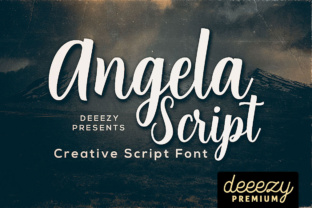
Recently, I was designing a landing page for a wellness coach’s new online course. The client wanted a refined, elegant look that still felt approachable and modern. I downloaded Angela, a clean and fancy script font from the Script Amp category, and dropped it into the hero section. Instantly, the headline felt elevated. The soft curves and slight bounce in the letterforms gave the design a personal, handcrafted touch that complemented the soft lifestyle photography and minimalist layout.
Angela isn’t just a pretty face—it’s packed with stylistic alternates, ligatures, and swashes, giving you design flexibility. This makes it ideal for web use where a bit of typographic flair can go a long way without feeling overdone.
How Angela Performs in Web Layouts and Responsive Design
I tested Angela across multiple screen sizes and layout contexts—from a large hero banner to a mobile call-to-action button. On desktop, the font looked stunning as a headline over a soft image overlay. The contrast between Angela’s delicate script and a clean sans serif body font created a strong visual hierarchy, guiding the eye naturally through the page.
On mobile, I made sure to increase the font size slightly to maintain legibility. Angela holds up well on smaller screens when used sparingly—perfect for section headers, logo text, or short hero copy. It’s not a font for long paragraphs or small navigation text, but that’s expected for a decorative script style.
Using Angela for Digital Branding and Online Stores
For a boutique client launching an online shop, I used Angela in the product category headers and promotional banners. It added a touch of sophistication that aligned perfectly with their curated aesthetic. The font was also a hit in logo design mockups, especially when paired with a light gold or blush color palette. It gave the brand a soft, feminine identity that stood out without feeling too flashy.
Angela works especially well in digital brand kits and campaign landing pages. Whether it’s a course sales page or a portfolio homepage, the font brings a sense of warmth and creativity that resonates with audiences looking for a more personal, boutique-style experience online.
Font Pairing Tips for Web Designers
One of the most important aspects of using a decorative font like Angela is knowing how to pair it with more functional typefaces. I often used it with a clean sans serif like Montserrat or Lato for body copy and navigation. This combination created a balanced contrast between elegance and usability.
For more editorial-style websites, pairing Angela with a classic serif font like Merriweather or Playfair Display worked beautifully in hero sections and quote blocks. The key is to let Angela shine in short, impactful moments while relying on simpler fonts for readability and structure.
Readability, Accessibility, and Practical Web Use
While Angela is stunning, it’s important to use it thoughtfully. I found it best suited for display use—like headlines, buttons, and featured text—rather than dense content or small interface elements. When overlaying it on images, I made sure to add a subtle background overlay or stroke to ensure contrast and readability.
For accessibility, I avoided using Angela for form labels, navigation menus, or any small-sized text that users might need to read quickly. It’s also a good idea to test font weights and spacing when using it in buttons or mobile CTAs to ensure a smooth user experience.
What to Know Before Licensing and Using Angela Online
Before finalizing the client sites, I double-checked the font license to ensure it was cleared for commercial web use. Angela includes multiple file formats, webfont support, and multilingual characters, which made it easy to implement across different platforms and CMS setups.
It’s also worth exploring the full character set, including ligatures and alternates, which can add visual interest to logos or hero text. If you’re designing a site where typography plays a key role in brand identity—like a creative agency or lifestyle brand—Angela can be a powerful design asset.