Abilya Font: Elegant Script for Handmade Labels
Sitting at my workbench late last Tuesday, surrounded by amber glass jars and sheets of textured linen paper, I found myself staring at a blank candle label. The scent profile was complex—sandalwood, vanilla, and a hint of smoked pear—but the typography I had initially chosen felt flat. It lacked the warmth and organic movement that the product itself promised. This is often the pivotal moment in product design where functionality meets emotion. I needed a typeface that didn't just display the name but actually embodied the feeling of lighting that candle on a rainy evening. That was when I pulled up Abilya.
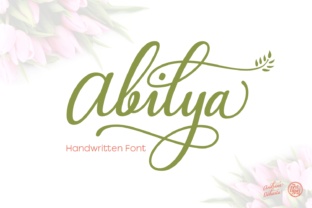
As a maker who navigates between physical crafting and digital design daily, finding a script font that balances elegance with legibility is a constant pursuit. Abilya is an elegant script font that immediately stood out because it avoids the overly rigid perfection of digital calligraphy while maintaining the clean lines necessary for commercial printing. When I typed out "Smoked Pear & Vanilla," the letters connected with a natural, fluid rhythm that mimicked hand-lettering rather than computer-generated text. It transformed a simple product identifier into a visual invitation, setting the tone before the customer even reads the ingredients list.
Elevating Product Packaging and Label Design
In the world of handmade goods, packaging is often the first tactile interaction a customer has with your brand. Whether you are designing labels for small-batch skincare, artisanal food products, or boutique candles, the typography carries as much weight as the color palette. Abilya shines in these applications because its visual personality suggests care and intentionality. When applied to a matte vinyl sticker or a kraft paper tag, the font’s varying stroke width creates a sense of depth that feels premium without being ostentatious.
For those of us using cutting machines like Cricut or Silhouette to create our own packaging elements, readability at smaller sizes is non-negotiable. I tested Abilya on a 2-inch round sticker for jar lids, and the internal counters of the letters remained open and distinct even after weeding. This is a critical factor for script fonts; many beautiful display fonts fail in production because their delicate loops close up during the cut or print process. With Abilya, the balance between thick downstrokes and thin upstrokes holds up beautifully on physical merchandise, ensuring that your branding looks crisp whether it is viewed on a screen or held in hand.
Crafting Romantic Stationery and Wedding Invitations
Beyond product labeling, this typeface is a powerhouse for stationery designers and printable creators. The romantic messages and invitationals mentioned in its description are not just marketing fluff; they are the font's native habitat. While working on a suite of wedding welcome signs recently, I used Abilya for the couple’s names and the primary headers. The font possesses a timeless quality that bridges the gap between modern editorial design and classic romance. It feels appropriate for a formal black-tie invitation but retains enough softness for a garden party or an intimate elopement announcement.
When designing digital downloads or editable templates for platforms like Etsy, versatility is key. Customers want assets that feel special but are still easy to read. Abilya works exceptionally well for short phrases, titles, and decorative wording on planner pages, greeting cards, and wall art. However, it is important to remember that this is a display font. For body text, such as venue details on an invitation or ingredient lists on a label, pairing Abilya with a clean sans serif font or a simple serif font is essential. This contrast ensures that the hierarchy of information remains clear, allowing the script to serve as the emotional hook while the supporting typeface handles the functional communication.
Typography Tips for Makers and Digital Creators
Integrating a new creative font into your workflow requires understanding its nuances. Abilya offers a level of sophistication that can elevate perceived quality across various mediums, from tote bags and mugs to social media graphics and shop branding. To get the most out of this asset, consider these practical application tips derived from real-world testing:
- Mind the Spacing: Script fonts rely on connection. Avoid manually tracking or kerning the letters apart, as this breaks the natural flow of the ligatures. If you need more breathing room around the text block, adjust the margins or line height instead of letter spacing.
- Explore Alternates and Swashes: Check the included glyphs panel. Abilya often includes stylistic alternates or swashes that can add a custom, bespoke touch to logo design or signature lines. Using a unique tail on a capital letter can make a standard product label look like it was custom-illustrated.
- Test Before Mass Production: Always print a physical proof or cut a test sticker before committing to a full production run. Screen rendering can be deceiving, and seeing the ink spread on paper or the vinyl edge on a curved surface is the only way to guarantee professional results.
- Check Licensing for Commercial Use: As sellers, we must be diligent. Verify the specific license terms regarding physical products versus digital templates. Ensuring you have the correct commercial font licensing protects your business and respects the type designer’s work.
Building Brand Identity Through Consistent Type
Consistency is what turns a hobby into a recognizable brand. Using Abilya as a recurring element across your shop materials helps build customer recognition and emotional engagement. Imagine a cohesive collection where the same elegant script appears on the product label, the thank-you card tucked inside the package, the Instagram story highlight covers, and the seasonal email newsletter header. This repetition creates a unified brand identity that signals professionalism and attention to detail.
The mood of Abilya is particularly effective for businesses that want to convey warmth, femininity, luxury, or nostalgia. It moves beyond generic typography to become a voice for your products. When a customer sees that familiar, flowing script, they aren't just reading a word; they are recalling the feeling associated with your brand. Whether you are creating farmhouse signs, holiday gift tags, or sophisticated digital planners, the font acts as a visual anchor that ties disparate products together under one aesthetic umbrella.
Practical Considerations for File Formats and Production
For makers utilizing vector software or cutting machine software, file format compatibility matters. Ensure you are working with the appropriate OTF, TTF, or SVG files depending on your platform. While Abilya is designed for elegance, technical execution determines the final outcome. When designing for fabric items like shirts or tote bags, consider how the ink or thread will interact with the fine lines of the script. Thicker weights or bolded versions may be necessary for screen printing or embroidery to prevent loss of detail, whereas the standard weight is perfect for high-resolution digital printing on smooth cardstock.
Ultimately, selecting the right typeface is about matching the visual language to the product's soul. Abilya provides that rare combination of artistic flair and production-ready reliability. It allows crafters and sellers to infuse their work with a sense of bespoke luxury that resonates with buyers looking for something made with heart. By treating typography as an integral material in your making process—just as important as the wax, paper, or fabric—you create products that communicate quality and beauty long before the first word is fully processed.